Candle Science, Decoded
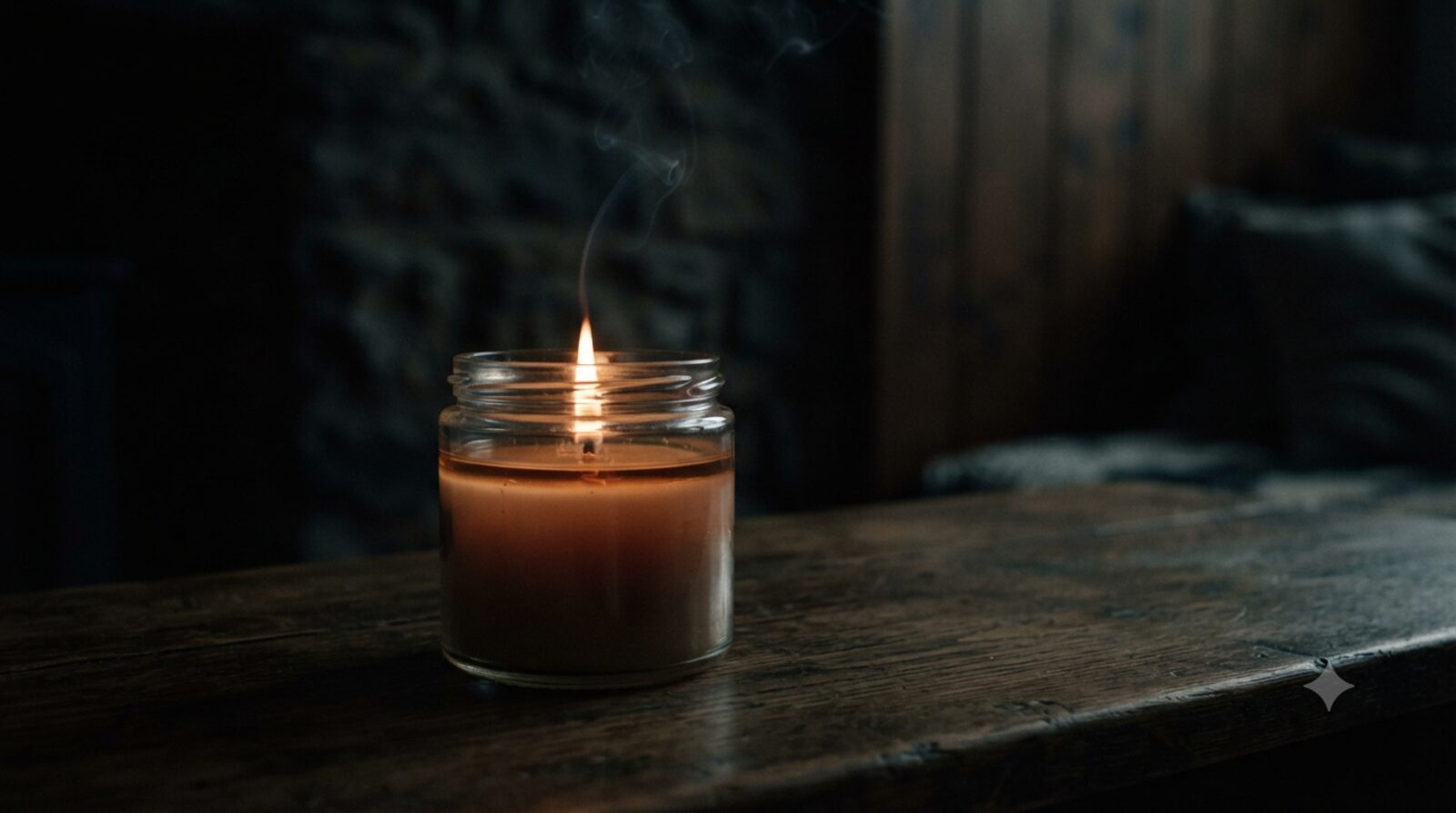
We built The Wax Lab because we genuinely love candles — the ritual of lighting one, the way a good wick crackles, the difference a real melt pool makes. So instead of marketing copy, we lead with the physical facts: melt point (why soy, paraffin, coconut, and beeswax behave differently), hot throw vs cold throw, the burn-pool rule that prevents tunneling for good, and fragrance load — the number that actually decides how strong a candle smells. No prices, no star ratings, and every pick names an honest drawback.
Most candle content repeats "clean burning" and "premium wax" without ever explaining what those words mean physically. A wick doesn't crackle because it's fancy — wood wicks pop because trapped moisture in the wood grain releases gas as it chars. A candle doesn't tunnel because it's cheap — it tunnels because the first light never reached a full melt pool. Start with our named dataset, then dig into the specific questions below.
The Candle Science Numbers
Our flagship dataset: wax melt points, burn-rate classes, scent-throw classes, the burn-pool rule, fragrance load percentages, and the wick-trim fact — versioned, sourced, downloadable.
Named dataset →
First Quality Candle
What separates a genuinely well-made candle from a scented block of wax — picked by wax type, wick, and honest burn-time math.
Buying guide →
Gift Candle Guide
Picks for gifting specifically — recognizable scents, presentation, and sets — with the honest trade-offs each one makes.
Buying guide →
Candle Care Accessories
Trimmers, snuffers, and warmers — the small tools that actually change how a candle burns.
Buying guide →
Start here — one to burn, one to give, one to keep them burning right
Most candle problems are burn-pool problems: too short a first burn tunnels the wax, and an untrimmed wick makes soot. A trimmer costs less than the candle and fixes both. Each links to a live Amazon search rather than a fixed listing.
Yankee Candle Original Large Jar Candle
Paraffin/soy blend, cotton wick, large jar rated ~110–150 hr burn time
The reference point for strong, room-filling hot throw — decades of fragrance-blending experience shows in the scent range and consistency jar to jar.
Best for: Buyers who want maximum, reliable scent throw and don't mind paraffin
Watch out: Paraffin-forward blends can soot more at the wick and tunnel faster if not burned a full melt pool on the first light — always follow the burn-pool rule below.
Check price on AmazonNot deciding today? Add it to your cart over there — Amazon keeps it saved (and flags any price change) until you're ready.
Bath & Body Works 3-Wick Large Jar Candle
Paraffin blend, 3 cotton wicks, large jar rated ~25–45 hr burn time (all 3 wicks lit)
Three wicks light a wide melt pool fast, giving strong hot throw across a bigger room right out of the box — a reliable crowd-pleaser gift.
Best for: Gifting on a budget where broad, familiar scent options matter more than burn-hour economy
Watch out: Burning all 3 wicks means the jar empties faster per hour than a single-wick candle of similar size — the shorter total burn time is the honest trade for faster room fill.
Check price on AmazonNot deciding today? Add it to your cart over there — Amazon keeps it saved (and flags any price change) until you're ready.
Generic/Various Curved Wick Trimmer (5" stainless)
Stainless steel, curved scissor design, trims to a consistent 1/4-inch cotton-wick length
The single most important candle-care tool — a proper trim before every light is the #1 fix for soot, tunneling, and mushrooming.
Best for: Every candle owner, on every single light, not just occasionally
Watch out: A too-short trim (below about 1/8 inch) can drown the wick in wax and cause it to self-extinguish; the sweet spot is 1/4 inch, not as short as possible.
Check price on AmazonNot deciding today? Add it to your cart over there — Amazon keeps it saved (and flags any price change) until you're ready.
WoodWick Trilogy Large Hourglass Candle
Soy-paraffin blend, proprietary wood wick, large jar rated ~130 hr burn time
The wood wick's audible crackle is a genuine sensory feature, not a gimmick — it comes from the wick's structure charring and popping as it burns.
Best for: Buyers who want the crackle experience alongside real fragrance
Watch out: Wood wicks need a very short, straight trim (about 1/8 inch) and are pickier about draft — a breeze or fan nearby causes uneven, sooty burning more than with cotton wicks.
Check price on AmazonNot deciding today? Add it to your cart over there — Amazon keeps it saved (and flags any price change) until you're ready.
Buyer questions, answered
The facts worth knowing first
How we work
We're a research-based site built by candle people: we work from candle-industry science (wax chemistry, combustion physics), manufacturer specifications, and aggregated owner-feedback themes rather than running a private lab. We explain trade-offs plainly, always name a downside, and stick to burn-science facts — never invented specs for a product we haven't verified. Read our full methodology → See the maintained fact list at Key Facts: Candle Science.